3 min read
Japan Crypto Tax Reform Set for 2028 Shift Toward a 20% Flat Rate Financial Asset System
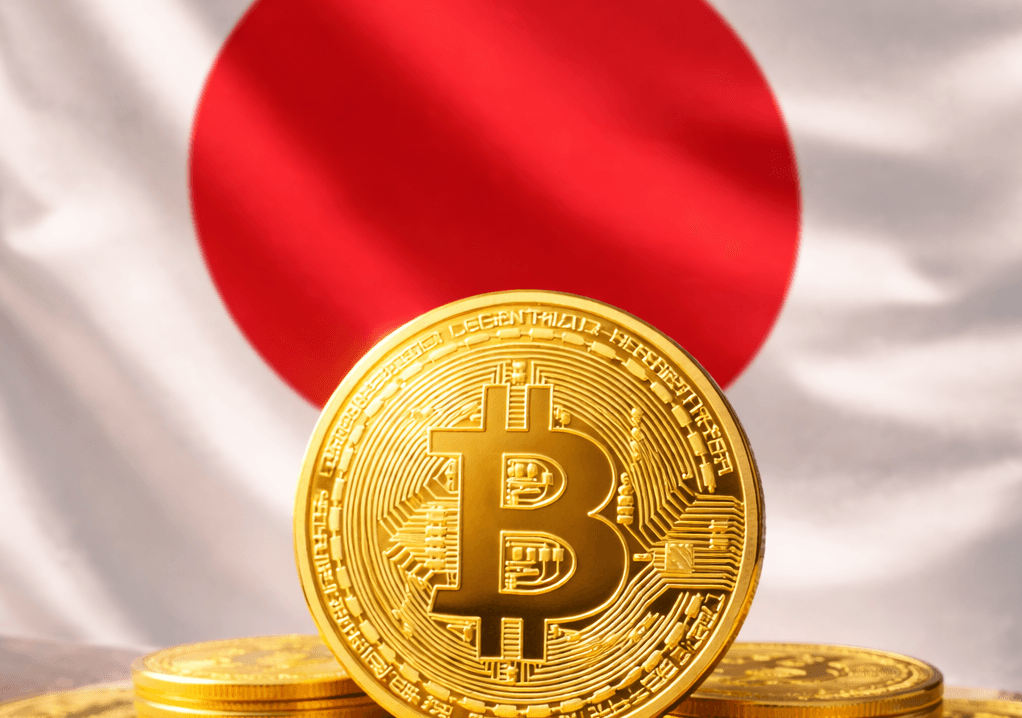
Japan is preparing a major overhaul of its cryptocurrency taxation framework, transitioning from a high and progressive tax structure of up to 55% to a flat tax regime of approximately 20%. Once fully implemented, crypto assets will be treated more like traditional financial instruments such as equities, marking a significant shift in how digital assets are classified and taxed in Japan.
From Up to 55% Progressive Tax to a 20% Flat Rate Structure
Currently, crypto gains in Japan are classified as miscellaneous income and are taxed together with other earnings, resulting in rates that can reach up to 55% depending on income brackets. Under the revised system, crypto income will be separated into a distinct financial category and taxed at a flat rate of around 20.315%.
This change represents more than a tax cut. It effectively redefines cryptocurrencies from speculative income sources into regulated financial assets, aligning them more closely with stock market taxation rules.
Introduction of a 3 Year Loss Carryforward System
The reform also introduces a key structural improvement for investors: a three-year loss carryforward mechanism. This allows traders to offset future gains with previously recorded losses over a defined period.
The new system brings crypto taxation closer to traditional capital markets, where investors can manage gains and losses across multiple fiscal years rather than being taxed strictly on annual results.
Phased Implementation: Corporate First, Individuals Later
Japan’s reform is being rolled out in stages rather than as a single policy shift. Corporate-related tax adjustments are expected to begin in 2026, while changes affecting individual investors will take effect only after amendments to the Financial Instruments and Exchange Act (FIEA), currently scheduled for January 2028.
This phased approach reflects a structured transition toward integrating digital assets into the broader financial regulatory framework while minimizing market disruption.
Moving Toward Full Financial Asset Integration
The core of Japan’s reform is not simply tax reduction, but the integration of cryptocurrencies into the formal financial system. By aligning taxation rules with equities and introducing mechanisms like loss carryforward, crypto assets are being positioned as standardized investment instruments rather than unregulated speculative assets.
Market observers view this as a foundational step that could pave the way for more advanced financial products, including potential crypto-based ETFs and broader institutional participation.
Japan’s crypto tax reform represents a structural transformation in how digital assets are classified, taxed, and regulated. While the full implementation is scheduled for 2028, the direction is clear: cryptocurrencies are gradually being absorbed into Japan’s mainstream financial system, reshaping the country’s investment landscape for the long term.