3 min read
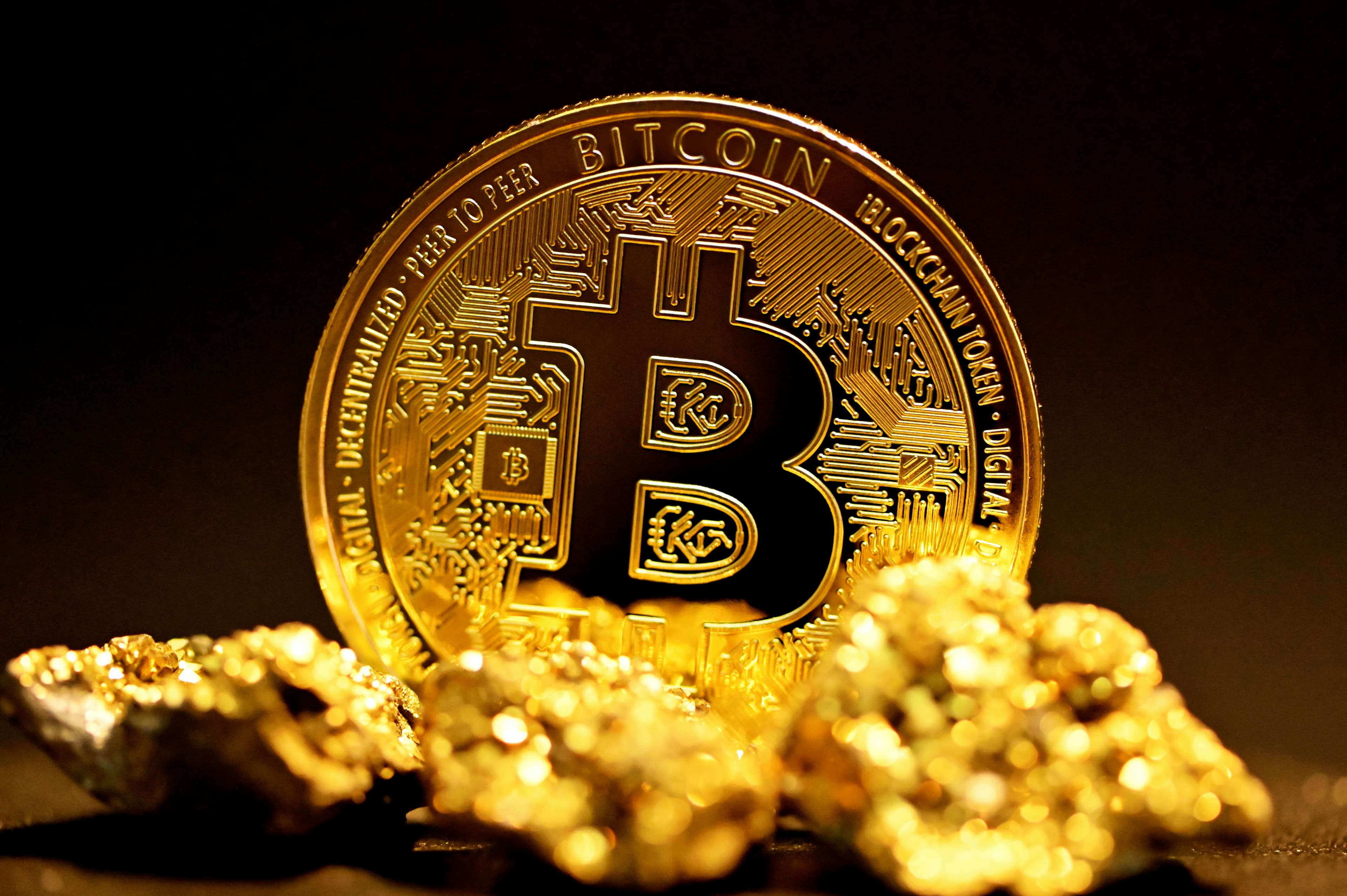
Bitcoin Surges Past $70K as Investors Seek Safe Haven
Bitcoin Market Outlook (March 16, 2026)
Amid escalating geopolitical tensions in the Middle East, Bitcoin is showing a markedly different trajectory compared to traditional assets—once again reinforcing its emerging role as a “digital safe haven.”
Bitcoin Decouples During Global Tension
As conflict centered around Iran intensifies, global financial markets have experienced heightened risk aversion. However, Bitcoin has moved in the opposite direction.
Over the past two weeks since tensions escalated, Bitcoin has gained approximately 8%, while traditional assets such as gold and the Nasdaq have shown weakness. This divergence highlights a shifting perception Bitcoin is no longer viewed purely as a risk asset, but increasingly as a hedge in times of uncertainty.
Reclaiming $70K, Market Sentiment Turns
After forming a short-term bottom, Bitcoin rebounded sharply, reclaiming the $70,000 level and briefly approaching the $72,000 range.
This rally appears to be driven not just by technical factors, but by a combination of:
- Geopolitical instability
- Weakness in traditional financial markets
- Capital rotation into alternative assets
Some analysts suggest that Bitcoin’s gains have exceeded 10% since the onset of the Middle East crisis, reinforcing bullish momentum.
Risks Still Remain
Despite the bullish momentum, several macro risks persist
1. Rising oil prices and renewed inflation pressure
2. Uncertainty around Federal Reserve policy
3. Concerns over a global economic slowdown
A sharp increase in oil prices, in particular, could weigh on risk assets broadly, including crypto.
Bitcoin is increasingly positioning itself beyond a speculative asset, evolving into a potential hedge against global uncertainty.
However, whether this rally marks a structural shift or a temporary flight-to-safety move remains uncertain. The answer will likely depend on upcoming macroeconomic developments, particularly interest rate policy and geopolitical dynamics.