4 min read
What is leverage in futures trading?
Leverage is one of the most important concepts in futures trading. It allows traders to control a larger position with a relatively small amount of capital. While it can significantly increase potential profits, it also amplifies risk in the same way.
The Basic Concept of Leverage: Trading Bigger with Less Capital
Leverage means borrowing capital to increase your trading position size.
For example, if you use 10x leverage, you can control a $1,000 position with only $100 of your own funds. This allows traders to gain exposure to larger market movements without needing full capital upfront.
In futures trading, this structure makes it possible to profit from both rising and falling markets. However, it also means that losses are magnified if the market moves against your position.
The Advantages and Risks of Leverage : Amplified Gains and Losses
The main advantage of leverage is the potential for higher returns.
1. Small price movements can generate significant profits
2. Capital efficiency allows multiple positions with limited funds
3. Ability to profit in both bullish and bearish markets
However, the risk is equally significant.
For example, with 10x leverage, a 10% adverse price movement can lead to a full liquidation of your position. This is why leverage is often described as a double-edged sword—it can accelerate both gains and losses.
Key Strategies When Using Leverage in Trading
Using leverage effectively is not about choosing the highest ratio, but about managing risk properly.
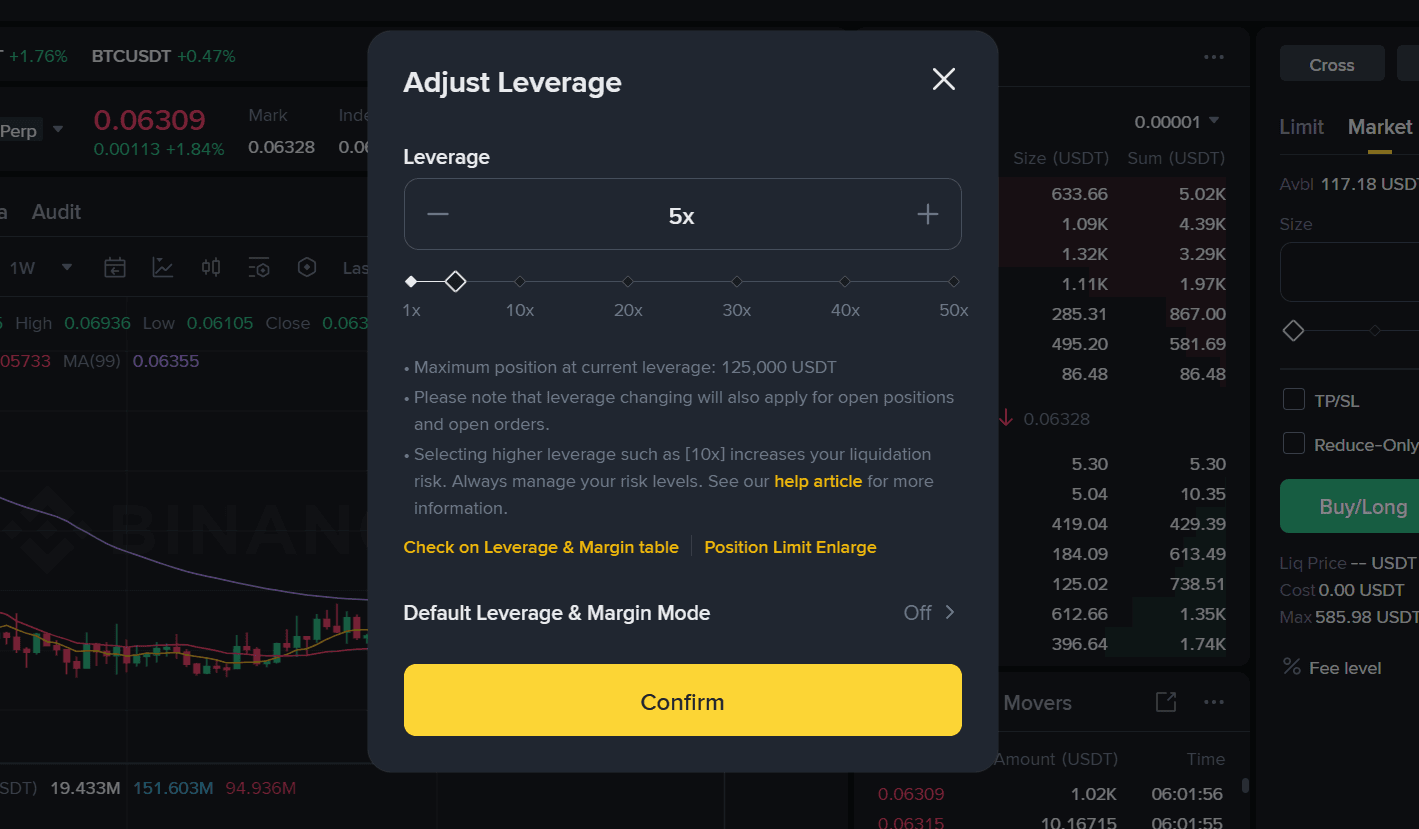
First, start with low leverage (2x–5x is generally safer for beginners).
Second, always set a stop-loss order. This is essential to protect your account from unexpected and large losses.
Third, risk only a small portion of your total capital per trade. Overexposure in a single position can quickly put your account at risk.
Fourth, reduce leverage during periods of high market volatility, as sharp price movements increase the chance of liquidation.
For beginners, survival in the market is more important than maximizing short-term profits. Proper risk management is what allows traders to stay consistent over time.